ABOUT
WAREHOUSE AUTOMATION
A demand-adaptive warehouse control platform designed to transform static storage environments into intelligent, self-optimizing operational systems.
SMART LOGISTICS
PREDICTIVE OPS
Services
Digital Transformation
Category
Digital Partner
Client
Agile Delivery

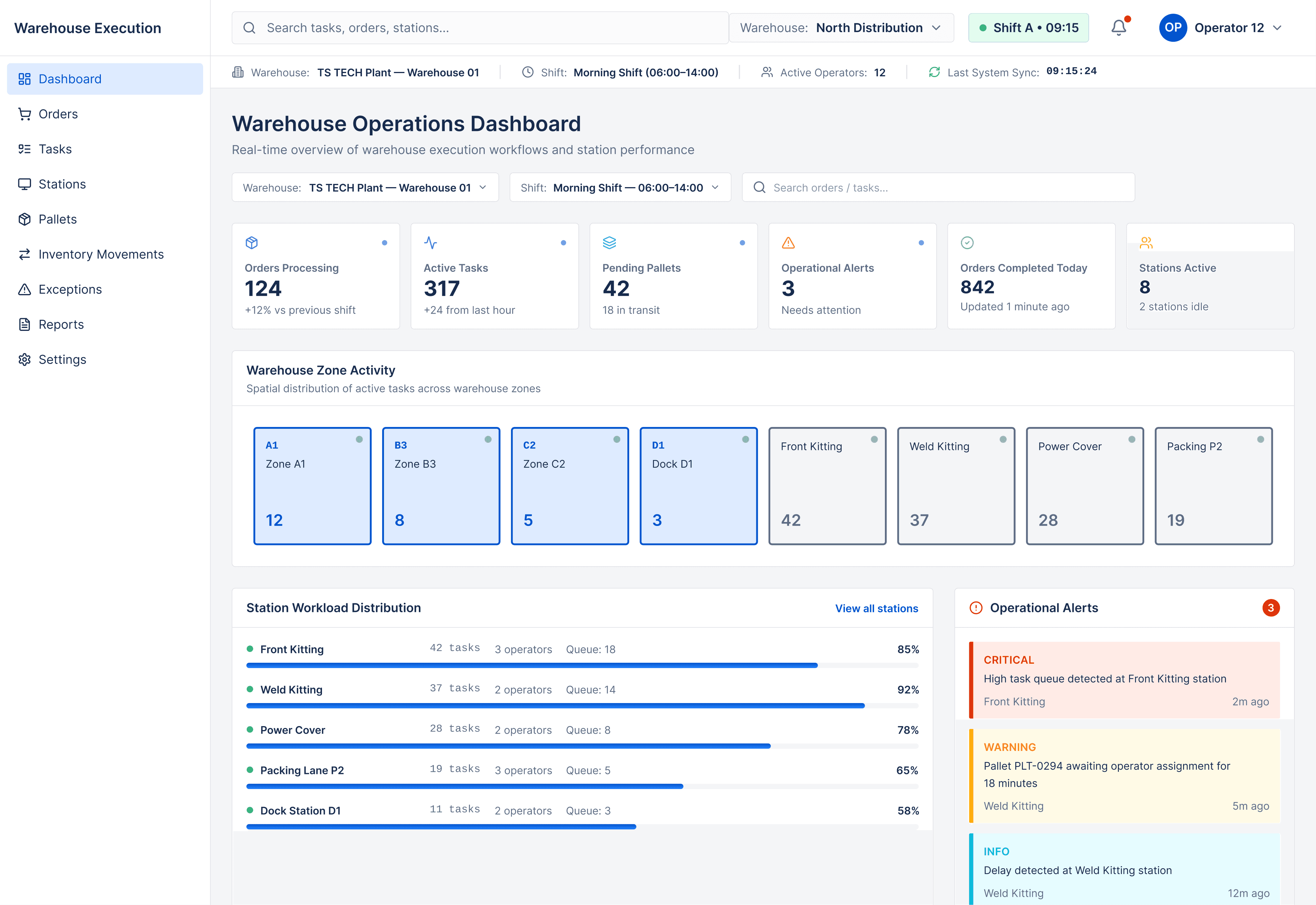
Problem: Static Infrastructure in a Dynamic Demand Environment
Traditional warehouse systems were built for predictable demand. As volume fluctuated and seasonal spikes intensified, static storage logic and rigid retrieval sequencing created bottlenecks, delays, and costly inefficiencies.
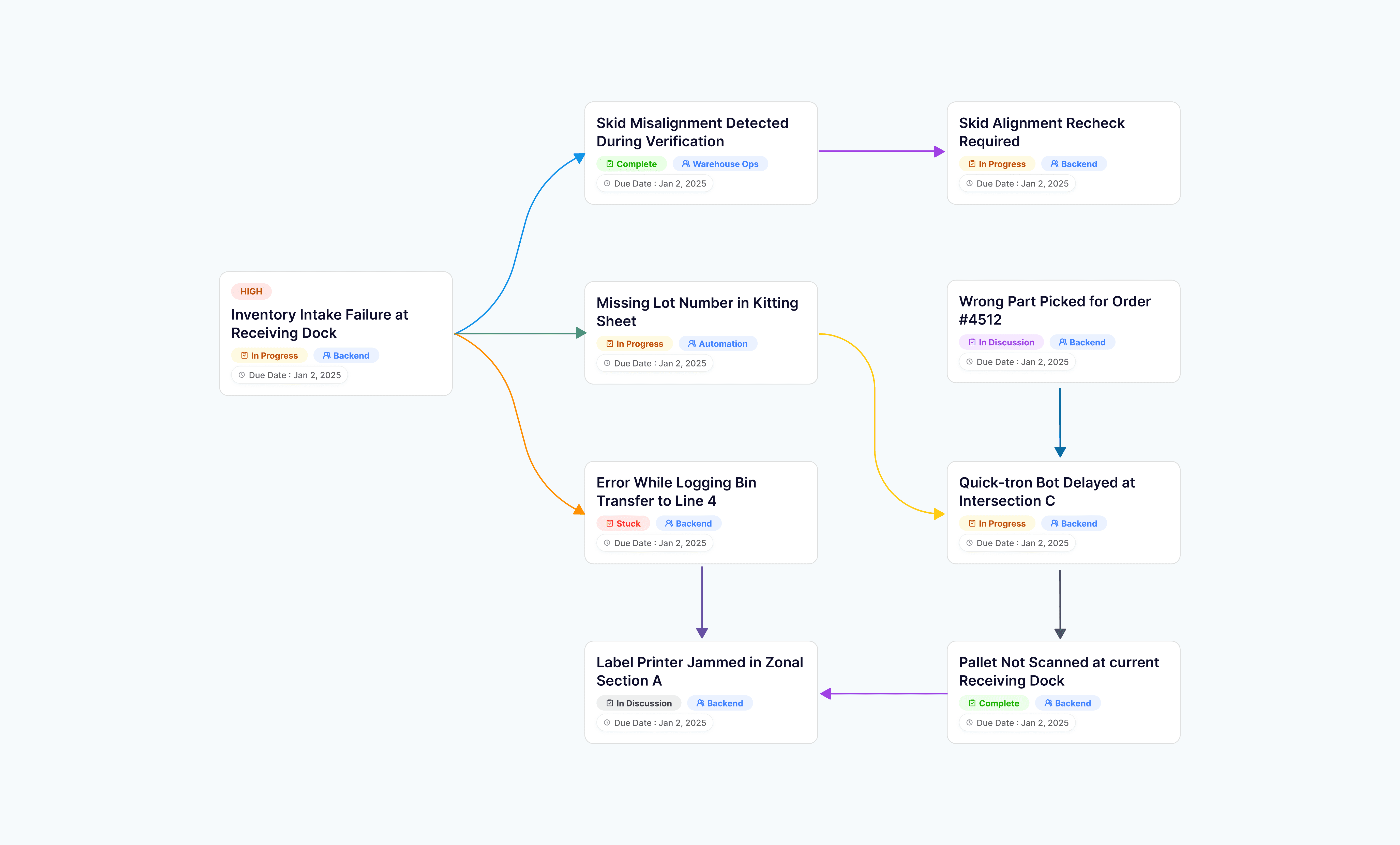
Challenges: Operational Bottlenecks at Scale
SCALABILITY GAPS
Inability to adapt storage dynamically to demand shifts.
Retrieval congestion during peak cycles.
Order sequencing inefficiencies increasing turnaround time.
Stock mismanagement leading to fulfillment errors
What was missing: Real-Time Adaptive Intelligence
The system lacked predictive demand modeling, automated congestion forecasting, and dynamic retrieval prioritization required to convert static infrastructure into an adaptive operational engine.
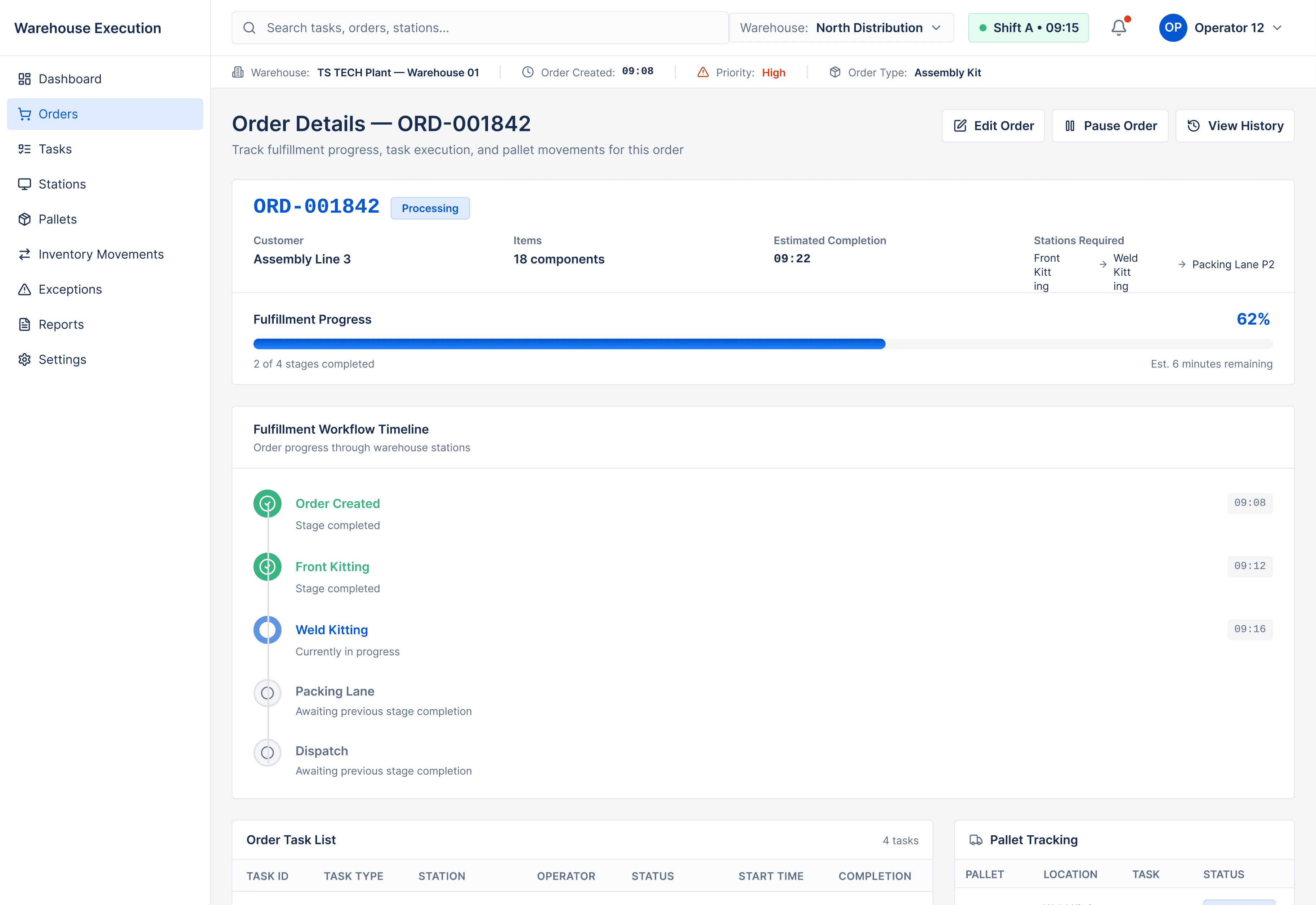
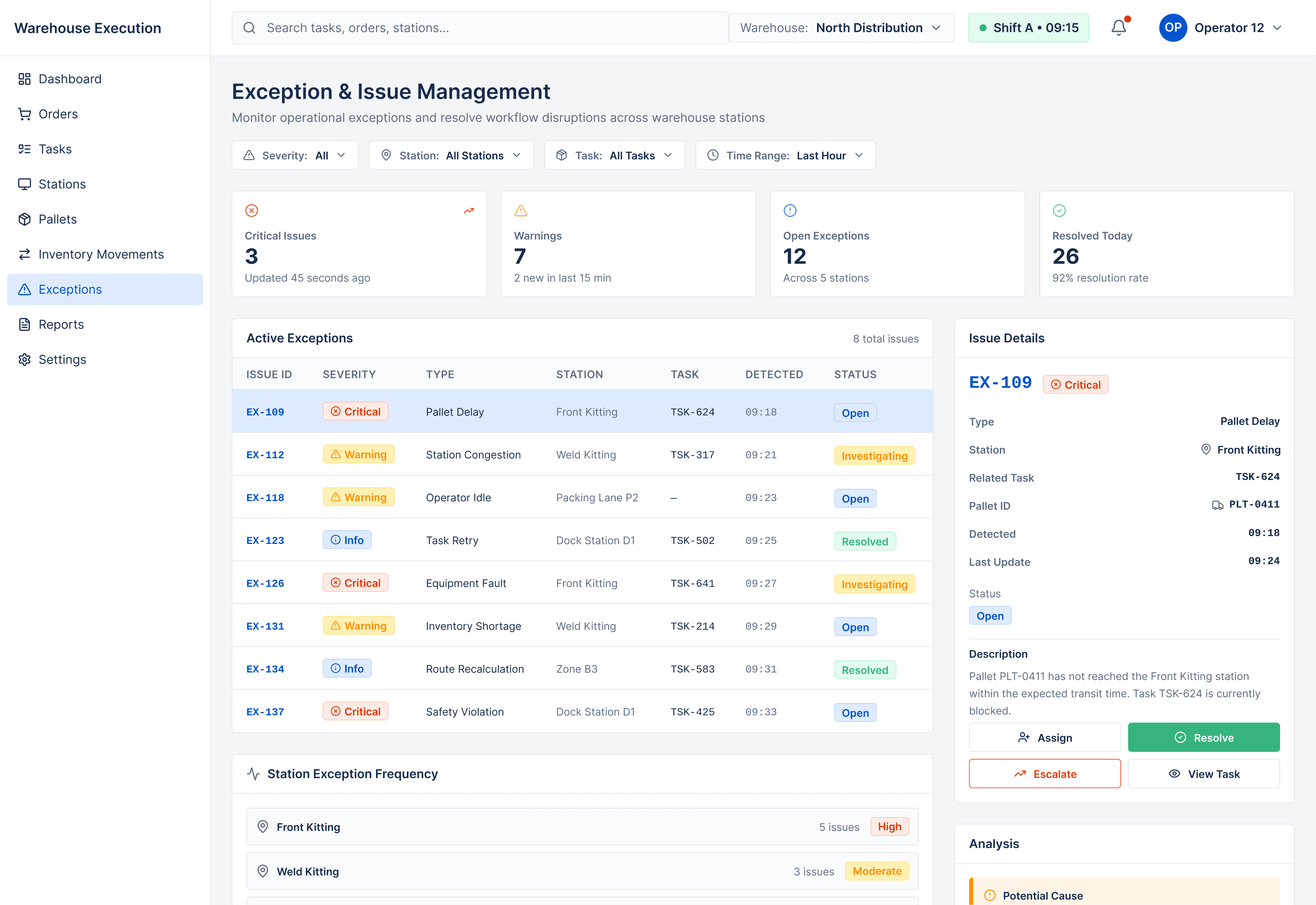
Solution: A Demand-Adaptive Control Architecture
The platform introduced self-optimizing inventory placement based on real-time demand signals, predictive analytics to forecast congestion and dynamically reallocate space, and smart retrieval sequencing to prioritize high-impact orders and maximize throughput.
Process: Structured 5-Step Delivery
OPERATIONAL SDLC
1. Discovery – Strategic Alignment & Requirement Definition: Mapped warehouse workflows, demand cycles, and performance KPIs to identify systemic inefficiencies.
2. Planning – Solution Architecture & Experience Design: Designed adaptive storage logic, predictive analytics models, and control interfaces aligned with operational realities.
3. Execution – Scalable Engineering & Platform Development: Built real-time data ingestion pipelines, demand-adaptive allocation systems, and intelligent sequencing algorithms.
4. Testing – Quality Assurance & Risk Mitigation: Validated performance under peak load simulations, stress-tested retrieval flows, and ensured system resilience.
5. Delivery – Transition, Optimization & Continuous Value: Rolled out in phases, monitored throughput metrics, and iteratively refined optimization logic based on live warehouse data.
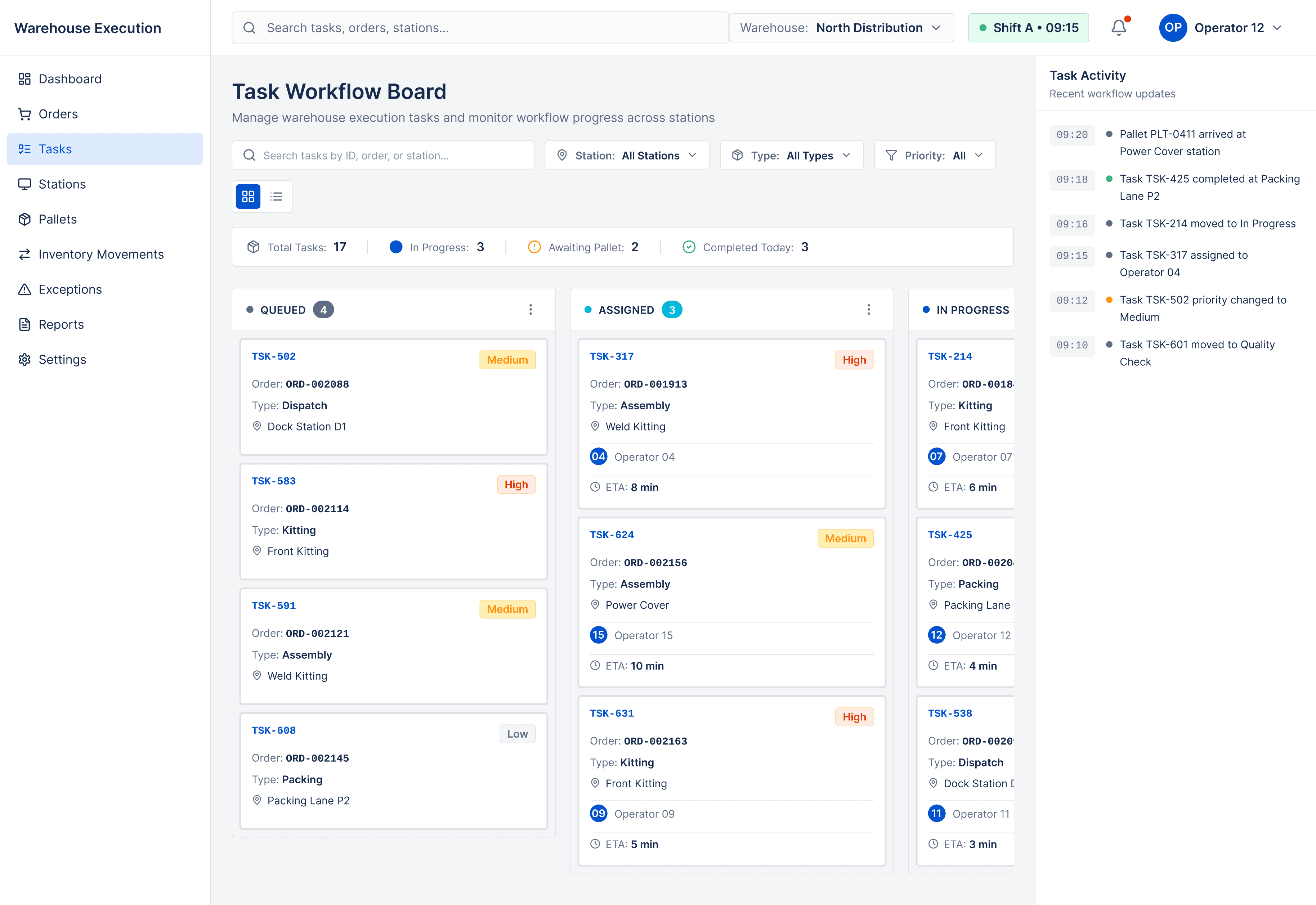
Conclusion: From Static Storage to Intelligent Flow
The transformation shifted warehouse operations from reactive management to predictive orchestration. Storage became demand-aware, retrieval became priority-driven, and capacity increased without expanding physical infrastructure.
Impact: Measurable Operational Gains
OPTIMIZATION
40% reduction in retrieval and processing times, increased order capacity without expanding storage footprint, and improved operational visibility across dynamic demand cycles.
How We Work?